Music, Politics, and Everything in Between
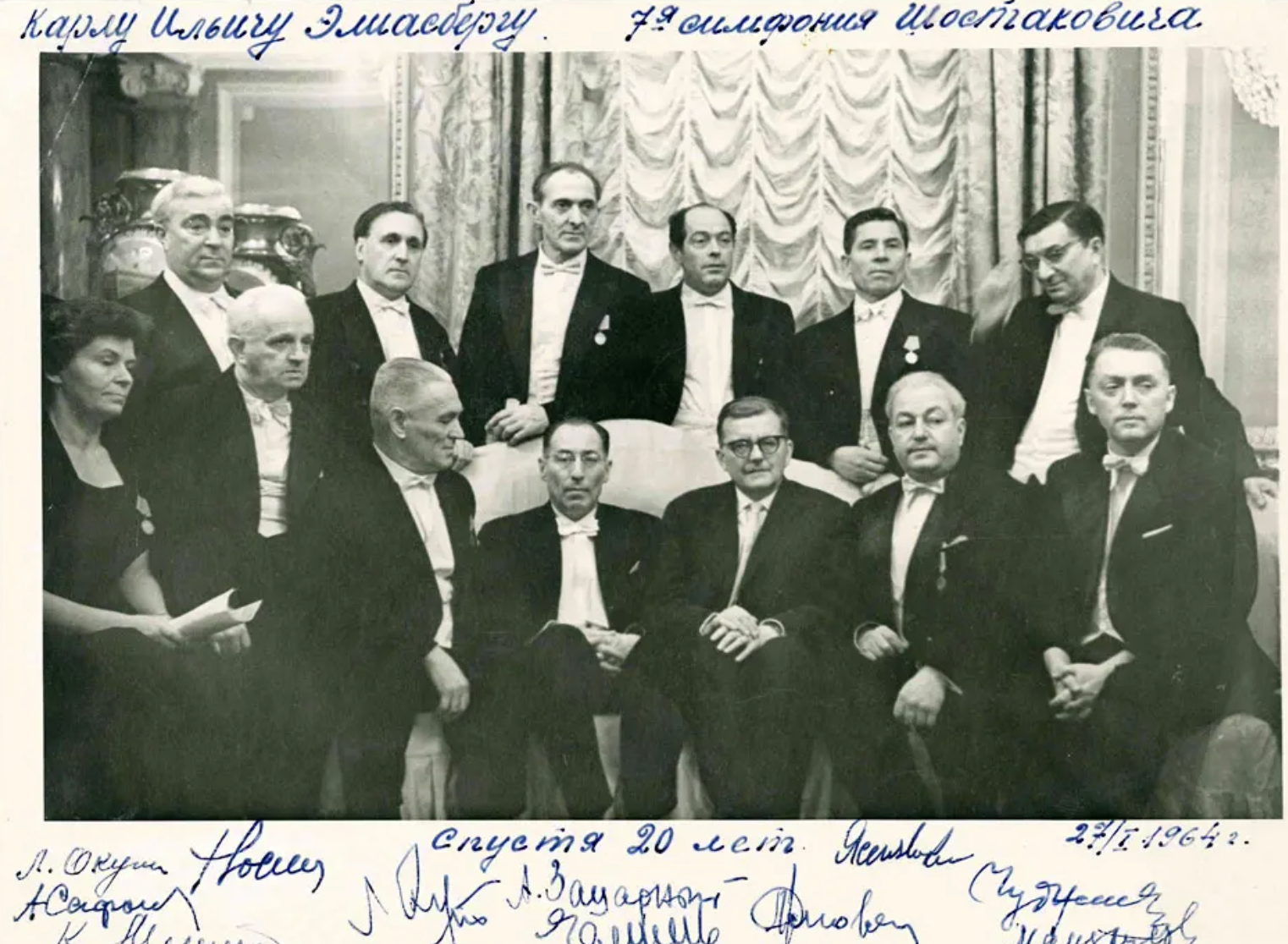
When the Leningrad Radio Orchestra premiered Shostakovich’s Seventh Symphony in 1942, the city was going through one of the harshest ordeals in history. Besieged by German troops, citizens found themselves starving in the darkness, with no electricity and constant bombardment. Musicians in the city could barely survive, let alone gather to perform. Yet, when conductor Karl Eliasberg knocked on their doors, almost all joined, taking out their barely functioning instruments to start rehearsals under the “icy canopy”. [1] The result was an incredibly powerful performance, where the entire city heard the concert through loudspeakers and found hope in the music that made a statement to both defenders and invaders that the city would never be defeated. Trombonist Viktor Orlovsky recalled that "everyone was dressed up and some even had their hair done, the atmosphere was so festive and optimistic it felt like a victory". [2] The spirit of the music uplifted the defenders of the city through the rest of its 125-week siege, holding on to triumph two years later. [3]
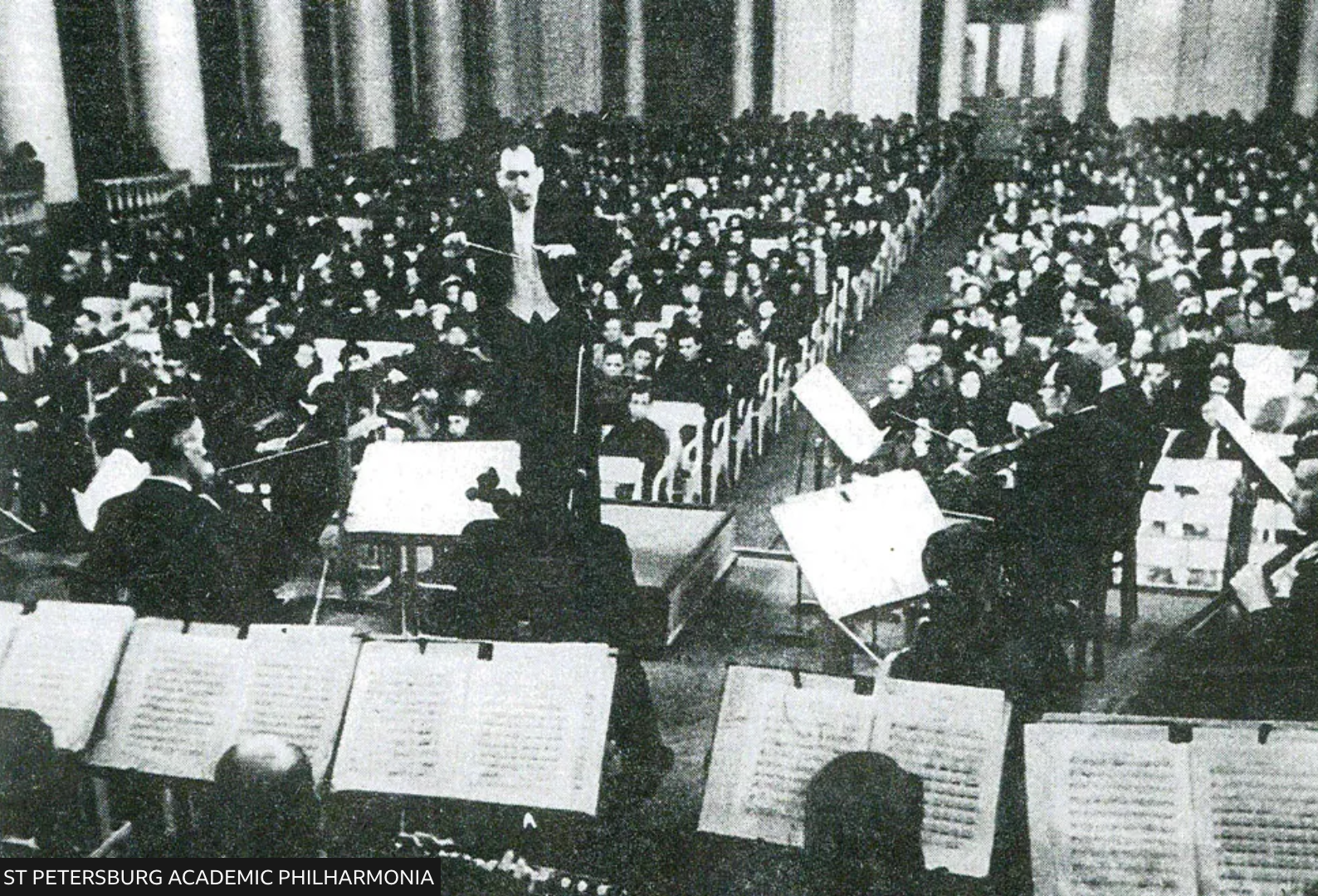
“Shostakovich's symphony played by a starving orchestra“
Karl Eliasberg conducting on 9 August 1942
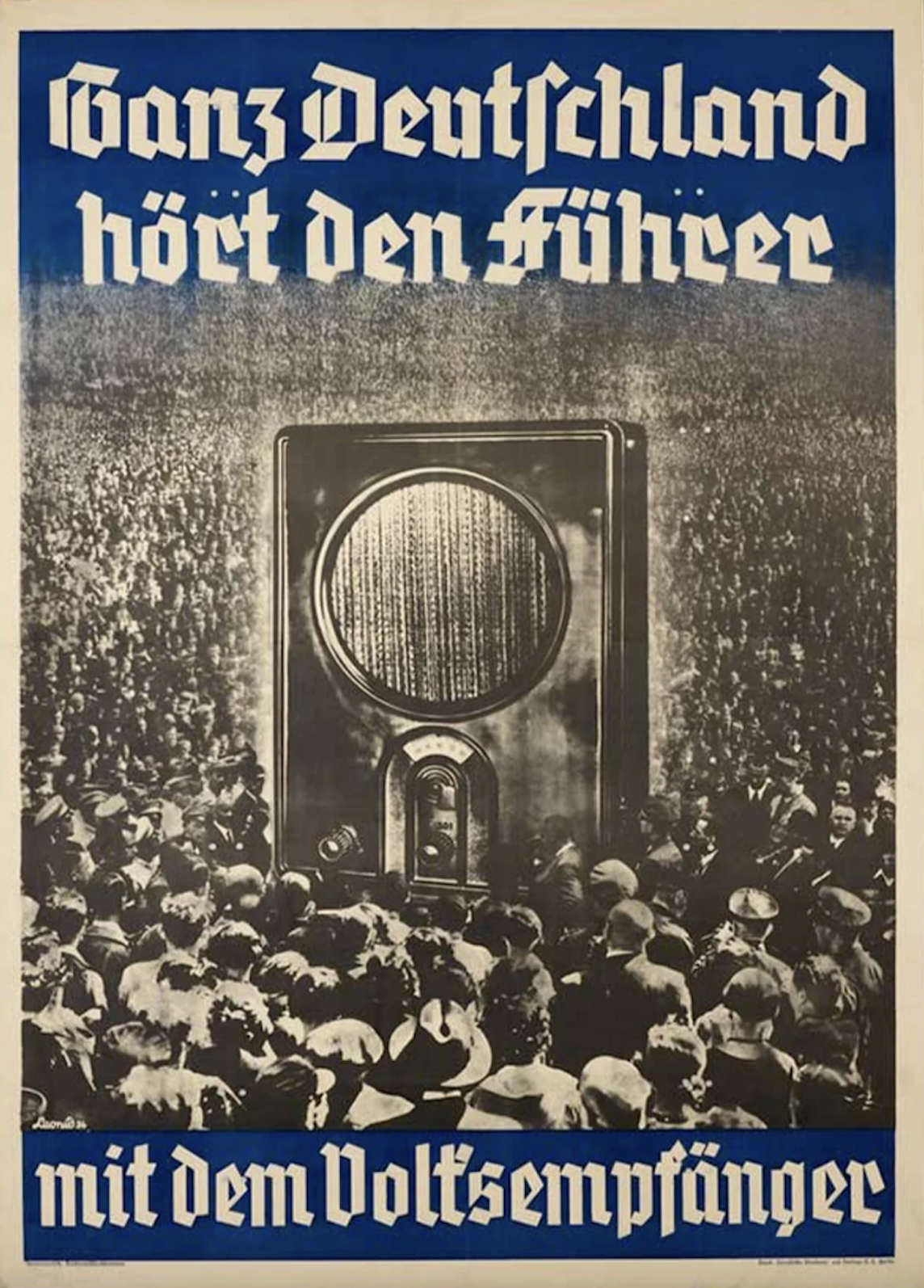
The Leningrad premiere of the symphony was perhaps the most dramatic instance of music’s power to create harmony and unity in times of social unrest and distress. Still, it is far from being the only one. Throughout the late 19th and early 20th centuries, music became a tool for expressing politically and socially radical ideas, as Europeans were distancing themselves from the old imperialistic monarchies dominating the continent. And just like those who heard the Seventh Symphony through loudspeakers in Leningrad, the rest of Europe heard music on radios and recordings, widening the masses’ access to music and increasing its influence. [4] It escaped the courts of nobility and passed its messages to the commoners in concert halls. Subsumed under the aegis of European nationalism and facing a world of both progress and unrest, music gained the capacity to shape collective consciousness and proved to be a unifying tool that brings harmony and belonging. At the same time, however, it also became an accomplice for authoritarian governments that used it as propaganda.
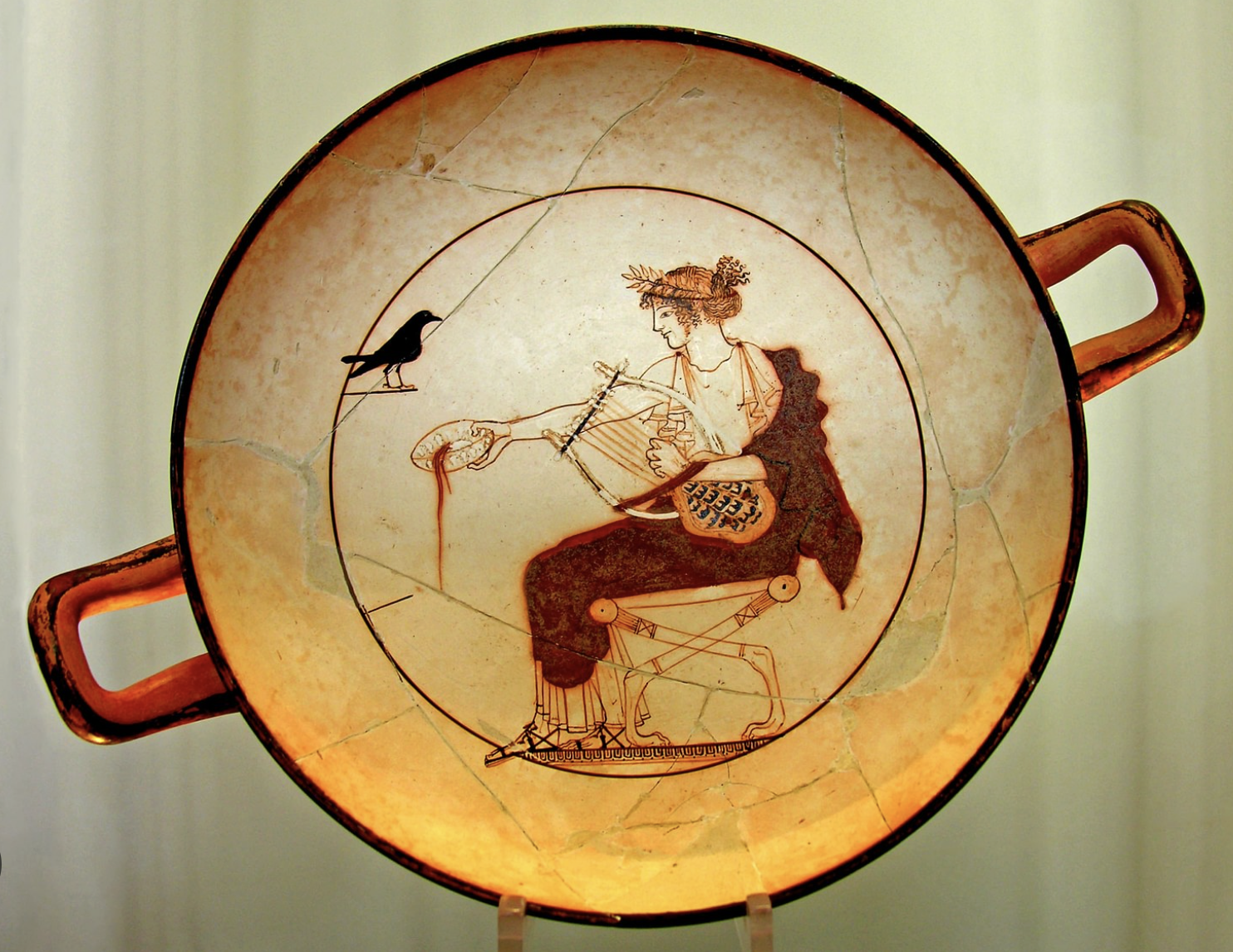
According to the Ancient Greeks, music has the unique ability to speak directly into the soul and let it vibrate without saying a word. Plato asserted that “musical training is a more potent instrument than any other, because rhythm and harmony find their way into the inward places of the soul”. [5] Aristotle added that “rhythms and melody contain representations of anger and mildness and also of courage and temperance” [6] allowing music to influence the mood and character of its listeners, making it an ideal tool to capture and pass on political, social and ideological ideas. In late 19th and early 20th century Europe, music became prominently inspired by patriotism and nationalism as these ideals steadily gained ground. [7] As nationalism typically relies on cultural productions to function and spread, musicians and their craft became hammers to chisel a sense of national identity in a divided and tumultuous Europe. Music, then, has inevitably altered the course of social and cultural history by facilitating the creation of new nations but also strife between them, pushing Europe towards the tipping point between patriotism and extremism. As the 20th century arrived, nationalism evolved into conflicts and wars that scarred and reshaped the European landscape, literally and figuratively. [8]
As regional and ethnic groups pushed for self-determination from old empires, music became a means to foster collective identity. While regional nationalism often dealt with the history and landscape, ethnic groups looked to elements of their folklore and mythology, creating distinct types of music that created a sense of belonging in their respective communities. Some of the most archetypal examples of regional nationalism are found in the works of Jean Sibelius. His orchestral suites Tapiola and the Karelia Suite dealt with Finnish mythology and tradition, and his most important work, the symphonic poem Finlandia, became a national anthemic song. [9] Patriotic in both music and lyrics, Finlandia was intended to accompany a series of tableaus representing the struggles of the Finnish people as they fought for independence from Russia. Official censure of the piece failed to diminish its impact, and Finlandia inspired the Finnish people to defend their country during times of national crises. [10] The work came to be remembered as a symbol of Finnish unity, dignity, and power. [11]
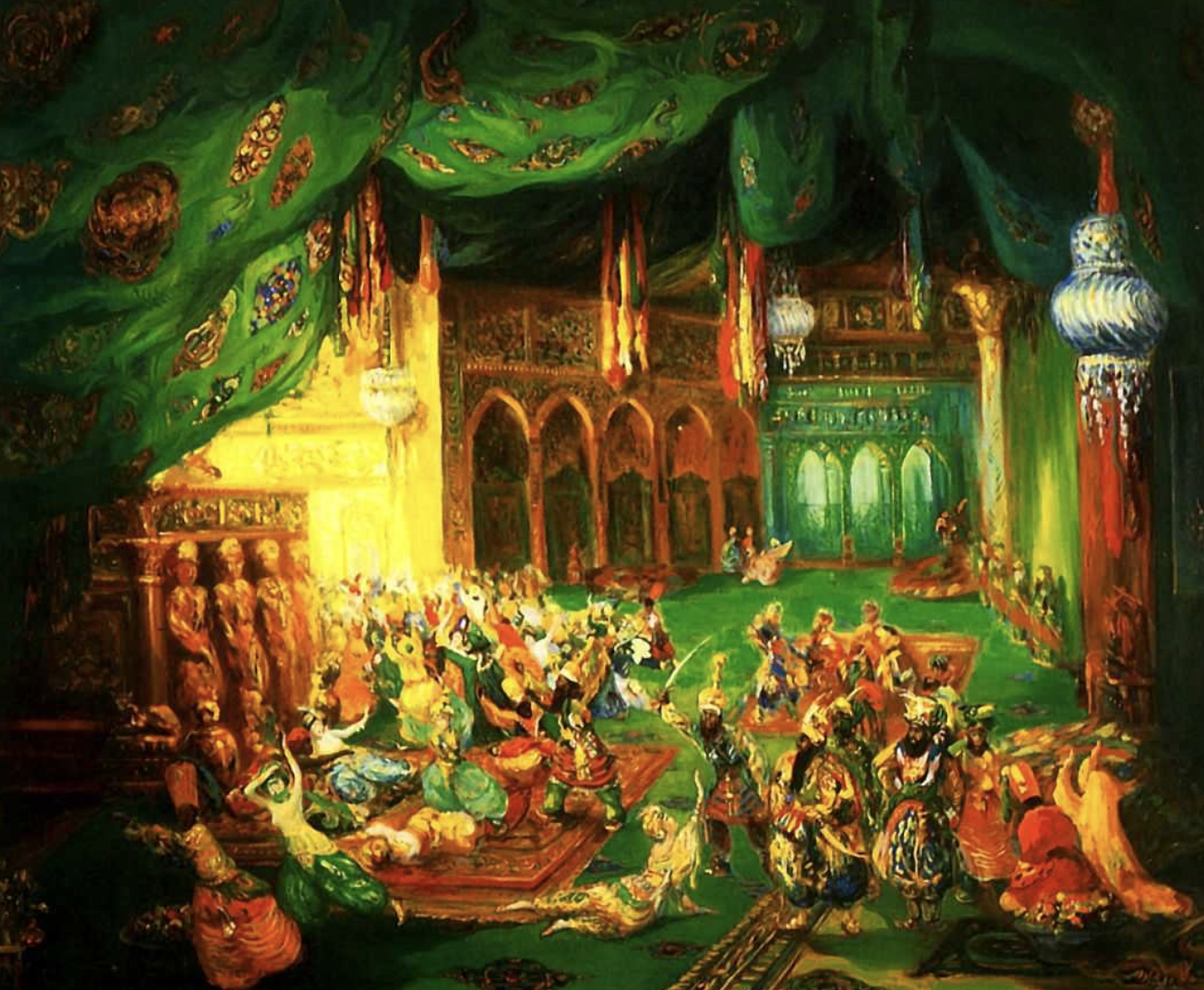
At the same time, Finland’s neighbor Russia was also going through a transformation in musical culture. A group known as “The Mighty Five” worked to build a national style independent of Western cultural influences, particularly of Austria and France, that were popular among the imperial courts and the elite of the academy. Searching for authenticity, The Five looked at Oriental melodies for motifs later transformed by the use of pentatonic or whole-tone scales. [12] Scheherazade by Rimsky-Korsakov, for example, was meant to give “the impression that it is beyond a doubt an Oriental narrative”, [13] yet reinvented and made distinctly Russian by the composer’s national imagination. The Five turned their gaze away from the West to find their Russian music and, in doing so, fostered cultural confidence that contributed to Russian participation in multiple wars. [14]
A similar case of fashioning identity can be found in Bedrich Smetana, who achieved national fame in Czechia for composing distinctly Czech music while Czechia was under the control of the Austrian-Hungarian empire. Smetana’s works lauded the landscape of his country, most noteworthy in his symphonic poem Vltava, which verged on becoming the second national anthem for the country. [15] Like its namesake, Vltava featured a surging melody, depicting the endless movement of the Czech mother river that carries historical and national pride. [16] The Czech spirit of struggling for independence would continue in Antonin Dvorak’s music, which continued to expand and exemplify Smetana’s spirit by depicting historical events and calling to Czech patriotism. [17] In his symphonic poem The Heirs of White Mountain, Dvorak called to his fellow Czech citizens to follow the example of their ancestors in the Battle of White Mountain, a battle fought against their oppressors centuries prior. It was intended to rouse the same sentiment against the Austrian-Hungarian empire. [18] The patriotism of the music became a major source of inspiration for the Czech struggle for independence.
Compared to the patriotic pride in regional nationalist works, music belonging to ethnic groups were often tied much closer to folklore and mythology, traditions that celebrate their roots and ancestry. The Magyar people of modern-day Hungary struggled for their independence in the entire 19th century, and renowned composers played a major role by incorporating folk music elements into their compositions and letting native voices be heard in mainstream Europe. Franz Liszt was the first to do this with his Hungarian Rhapsodies; its themes originated from melodies Liszt collected in the Transylvanian fields and villages. The Rhapsodies incorporated the standard two-part folkdance structure of lassan and friska. [19] After their publication, the Rhapsodies became part of the stample of classical repertoire. His works led Bela Bartok to follow his footsteps by using the newly invented phonograph to record melodies he heard in the peasants of the Carpathian Plains, using these themes later in his compositions. [20] Liszt and Bartok’s works encouraged Hungarians to detach themselves from the Austrian-Germanic musical tradition and assert cultural confidence. [21] These nationalistic elements, however, would also contribute to instability in the newly created nations, an instability that eventually sparked violent wars such as World War I.
Just as music itself was influential in conveying political messages, musicians found themselves at the center of attention by gaining notoriety through public fame and favor. Polish composer Ignacy Jan Paderewski gained popularity through his performances in Poland and abroad, securing the status of an international cultural ambassador. Panderewski’s talent and charisma eventually propelled him to the office of prime minister, and he devoted his life to advocating for Polish independence and voicing Polish opinions on the international stage during and after World War I. [22]
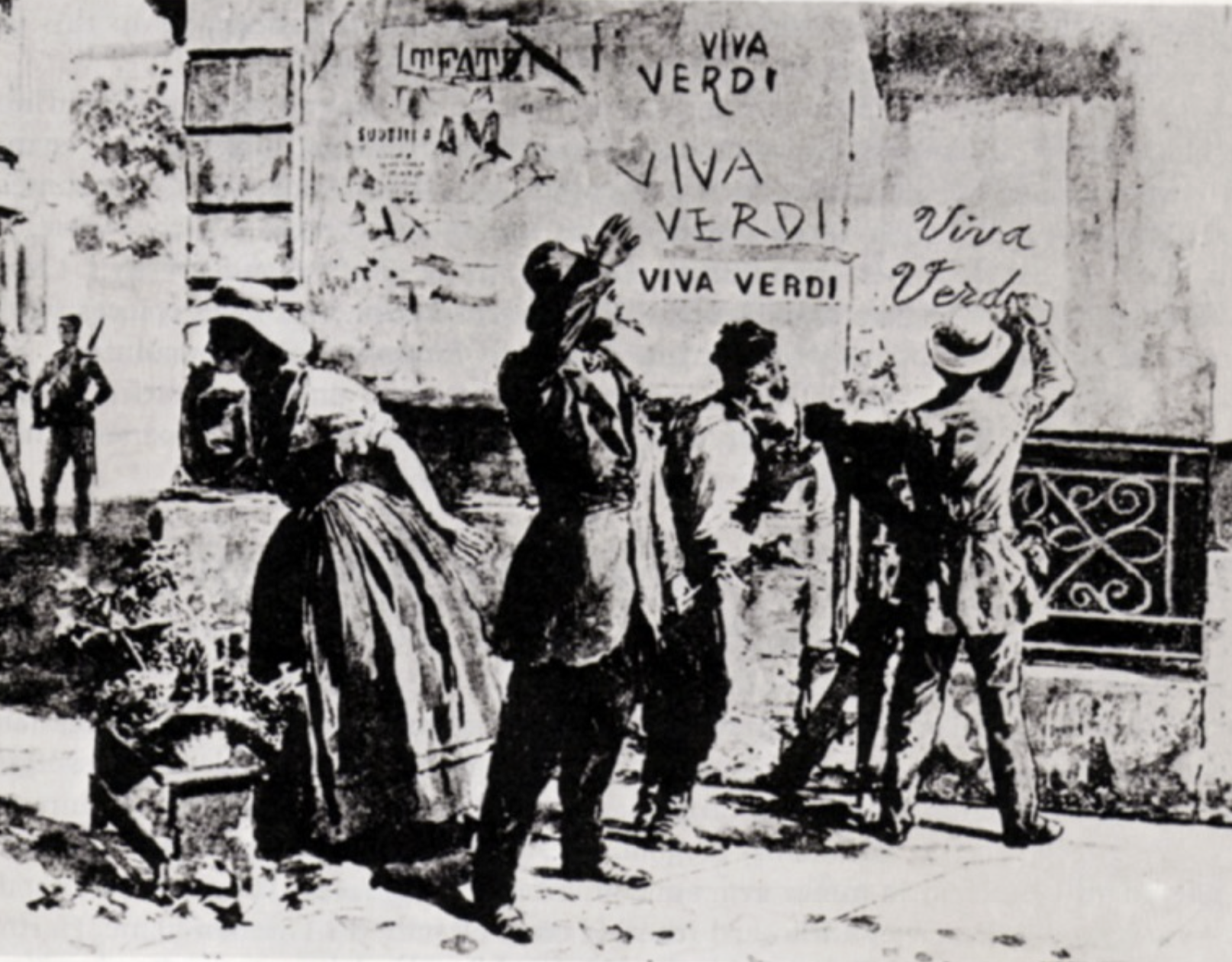
The composer’s unlikely path to power and influence was no coincidence. In the 1870s, Giuseppe Verdi faced a similar divided Italy, where he advocated for Italian unification and hid revolutionary messages in his operas, to the extent that his name became an abbreviation for Viva Vittorio Emanuele Re D'Italia, which means “Long Live Victor Emmanuel, King of Italy,” hailing the monarch who eventually went on to unite Italy. [23] Verdi’s opera Il Corsaro narrated an allegorical story in which the Italian knights swore to defeat the ruthless foreign despots, resonating with the audience who were themselves under the control of the Austrians. [24] Verdi’s operas brought Italians everywhere together under the cause of unification. However, these noble causes also cultivated extremist views that became factors in future hostilities, as Italy would sink into fascism and Poland’s regime would increasingly grow authoritarian in the 1920s and 30s.
At its extreme, nationalist music could become a tool for conservative sentiments that borders on oppression, the most prominent case being the Soviet Union. As an autocratic government with a high degree of censorship, the Soviet Union prevented its musicians from pursuing independent careers, instead forcing them to write in a government-endorsed realist style. [25]
One of Russia’s most eminent composers, Dimitri Shostakovich, lived in constant fear of the KGB. His artistic career was repeatedly disrupted by the Soviet regime, who accused him of being “formalist,” “vulgar,” and “petty-bourgeois”. [26] The mere sight of Stalin’s displeasure upon seeing his opera Lady Macbeth of Mtsensk caused him to turn “as white as a sheet”. [27] Subsequent attacks by the state newspaper forced many of his colleagues to denounce him; his concerts were canceled and his income from commissions dropped almost eighty percent. [28] Yet the 1937 debut of his deftly written Fifth Symphony garnered praise from officials, and seemingly overnight, his reputation was restored. [29] To others, he became living testimony to the power of government interference in a Soviet artist’s creative process.
The struggle between conformity and dissent is not singular to Shostakovich’s case, as his colleague Sergei Prokofiev underwent a similar attack. After being denounced, Prokofiev composed works that hailed Stalin, such as Zdravitsa, sometimes translated in English as “Toast to Stalin” or “Hail to Stalin”,in which both the title and the overly joyous music shows hints of insincere praise that sounds almost sarcastic. [30] Other works that put on a facade of loyalty only hide sorrow beneath. In his Seventh Sonata, Prokofiev hid that unspoken sadness by using a theme from a German art song, [31] which includes lyrics such as “Yet no one feels the pain, / The deep sorrow in the song”. [32] This artificial happiness spoke to audiences who also felt the misery of living in such a restrictive environment. [33] To citizens of the Soviet Union, these musicians’ works turned into a secret outlet for resentment at the same time as their personal tribulations planted seeds of fear.
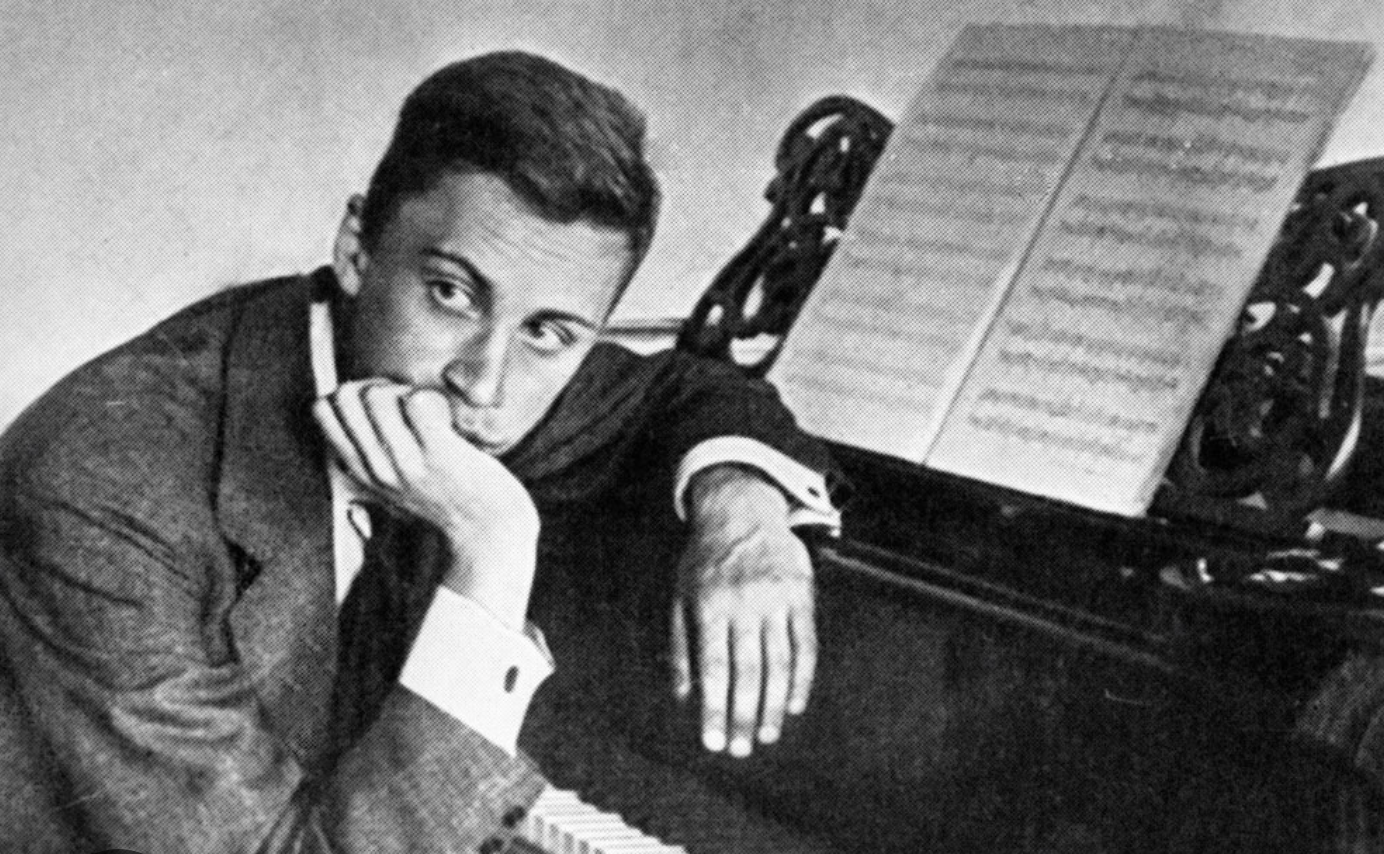
The Siege of Leningrad ended in January 1944, and the city was rebuilt anew from the smoldering ruins, now known as St. Petersburg. Shostakovich’s Seventh Symphony will always be preserved, however, its famous tune echoing in concert halls around the globe. [34] Its cacophony recorded for posterity both the suffering of its citizens and their unbelievable resilience, and the music has forever left its mark on the heroic city. While other pieces of music may have not had the same effect, they have changed centuries of people, subtly spreading philosophical doctrines and political messages. In the process of shifting to new standards and dynasties, music has always played a leading role, serving as a beacon of hope and unity in times of crises, but also as a tool of oppression in extreme cases. Today, musicians still act as trailblazers who lead and mold societal ideologies as they develop. But as millions of people will continue to hear Shostakovich’s Seventh Symphony, they will forever remember that one concert in 1942, when music changed history by uplifting thousands of Leningraders who defended the city in almost a hopeless situation, surviving to recount a wordless narrative of incredible willpower, resolution, and courage.
Endnotes:
[1]. Sollertinsky, Dmitri, and Ludmilla Sollertinsky. Pages from the Life of Dmitri Shostakovich. 1980. New York: Harcourt Brace Jovanovich, 1980.
[2]. Stolyarova, Galina. “Music Played On As Artists Died.” The St. Petersburg Times, 24 Jan. 2004, https://archive.ph/20130417144817/http://sptimes.ru/index.php.
[3]. History of St. Petersburg during World War II. http://www.saint-petersburg.com/history/great-patriotic-war-and-siege-of-leningrad/. Accessed 8 July 2024.
[4] Schramm, Holger. Musical Life in Germany. German Music Council / German Music Information Centre, 2020.
[5]. Plato, The Republic, trans. Desomond Lee, 2nd ed. (London: Penguin, 2007).
[6]. Whitfield, Sarah. "Music: Its Expressive Power and Moral Significance." Musical Offerings 1, no. 1 (2020). Accessed July 8, 2024. https://digitalcommons.cedarville.edu/cgi/
viewcontent.cgi?referer=&httpsredir=1&article=1012&context=musicalofferings.
[7] Kramer, Lloyd S. (2011). Nationalism in Europe and America: Politics, Cultures, and Identities since 1775. UNC Press. ISBN 978-0-8078-6905-5.
[8] ibid.
[9] de Gorog, Lisa (1989). From Sibelius to Sallinen: Finnish Nationalism and the Music of Finland. With the collaboration of Ralph de Gorog. New York: Greenwood Press. ISBN 0-313-26740-5.
[10] ibid.
[11] Coleman, William L. “Sibelius, Gallen-Kallela, and the Symposium: Painting Music in Fin-de-Siècle Finland"” Nineteenth-Century Art Worldwide, Vol. 13, No. 2 (Autumn 2014). www.academia.edu, https://www.academia.edu/8790691/_Sibelius_Gallen_Kallela_and_the_Symposium_Painting_Music_in_ Fin_de_Si%C3%A8cle_Finland_. Accessed 8 July 2024.
[12] Abraham, Gerald, ed. (1990). The New Oxford History of Music, Volume IX, Romanticism (1830–1890). Oxford University Press. ISBN 0-19-316309-8.
[13] Rimsky-Korsakov, Nikolay Andreyevich (1942). My Musical Life. translated by Judah A. Joffe (3rd edition). Alfred A. Knopf.
[14] Lang, Paul Henry. Music in Western Civilization. Translated by Lianli Gu, Hongdao Zhang, and Yating Tang. Compiled by Yandi Yang. Guilin, China: Guizhou People's Publishing House, 2001.
[15] Clapham, John (1972). Smetana (Master Musicians series). London: J.M. Dent. ISBN 978-0-460-03133-2.
[16] Kubelik, Raphael, and Czech Philharmonic Orchestra. Ma vlast (musical recording). June 9, 1990. [17] Lang, Music in Western Civilization.
[18] ibid.
[19] Li, Zhe. "Analysis of Performance Skills and Teaching of Liszt's Eleventh
Hungarian Rhapsody." BCP Education and Psychology 10 (August 2023): 388-98. Accessed July 8, 2024. https://www.researchgate.net/publication/ 373225726_Analysis_of_Performance_Skills_and_Teaching_of_Liszt's_Eleventh_Hungari an_Rhapsody.
[20] Lang, Music in Western Civilization.
[21] Predota, Georg. How Did Liszt’s Hungarian Identity Make Him a National Hero? 21 Oct. 2021, https://interlude.hk/on-this-day-22-october-franz-liszt-is-born/.
[22]Classical Mania - Steinway & Sons. https://www.steinway.com/news/features/classical-mania-liszt-lind-paderewski. Accessed 8 July 2024. [23] Counts, Jeff. “Viva V.E.R.D.I.? The Distance Between Memory and Myth.” Utah Opera, 22 May 2011, https://utahopera.org/explore/2011/05/viva-v-e-r-d-i-the-distance-between-memory-and-myth/. [24] Lang, Music in Western Civilization.
[25] Krebs, Stanley D. (1970). Soviet Composers and the Development of Soviet Music. New York: W.W. Norton.
[26] "Muddle Instead of Music: On the Opera Lady Macbeth of the Mtsensk District", Pravda, 28 January 1936 (English translation).
[27] Wilson, Elizabeth (2006). Shostakovich: A Life Remembered. Princeton, New Jersey: Princeton University Press.
[28] Fay, Laurel (2000). Shostakovich: A Life. Oxford University Press. ISBN 978-0-19-513438-4. [29] Wilson, Shostakovich: A Life Remembered.
[30] Stanley, Soviet composers and Soviet music.
[31] Piano Sonata No.7, Op.83 (Prokofiev, Sergey) - IMSLP. (score) https://imslp.org/wiki/Piano_Sonata_No.7%2C_Op.83_(Prokofiev%2C_Sergey). Accessed 8 July 2024. [32] “Wehmut | Song Texts, Lyrics & Translations.” Oxford Song, https://oxfordsong.org/song/wehmut-2. Accessed 8 July 2024.
[33] Stanley, Soviet composers and Soviet music.
[34] Shostakovich: Symphony No. 7 in C Major, Op. 60 ‘Leningrad’.” Presto Music, https://www.prestomusic.com/classical/works/12601--shostakovich-symphony-no-7-in-c-major-op-60-len ingrad/browse. Accessed 8 July 2024.
